
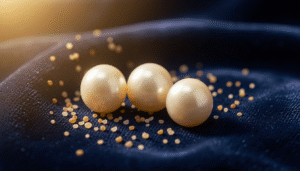
 Knowing how to identify authentic Bahrain natural pearls is one of the most important skills any jewelry buyer can develop. Bahrain has been famous for its pearls for more than 4,000 years, and genuine Bahraini pearls are among the rarest and most valuable gems in the world. Whether you are buying for yourself or as a gift, this guide will help you shop with confidence and avoid costly mistakes.
The global pearl market includes many types of pearls, and not all of them are created equal. Natural pearls form without human help inside oysters in the sea, while cultured pearls are grown with a human-inserted bead. Fake pearls are simply glass or plastic coated to look real. Understanding the difference protects your investment and ensures you get what you pay for.
What Makes Bahrain Natural Pearls Unique
Bahrain natural pearls come from the Persian Gulf, specifically from the oyster species Pinctada radiata. These oysters thrive in the warm, shallow waters of Bahrain’s coastline, which have a unique salinity level that directly affects pearl quality. The result is a pearl with an exceptionally thick nacre (NAY-ker), which is the iridescent substance that gives pearls their glow.
Nacre is the key factor that separates a high-quality pearl from a low-quality one. In Bahrain natural pearls, the nacre builds up over many years without any human interference. This slow, natural process creates a depth of luster that cultured pearls simply cannot match. The glow seems to come from within the pearl rather than just sitting on the surface.
The color of Bahrain pearls is also distinctive. They typically display a soft cream or white base with a rose or silver overtone. This subtle color play, known as orient, is a sign of deep nacre layering. You will rarely see this level of orient in cultured or fake pearls. When you hold a genuine Bahrain pearl under good lighting, it almost seems to shimmer and change color as you tilt it.
Bahrain has also created a dedicated Pearl Museum and a pearl certification system to preserve the heritage of its pearl industry. The Bahrain Institute for Pearls and Gemstones (DANAT) provides scientific certification for natural pearls, which is the gold standard for authentication. If you are buying a high-value piece, always ask for a DANAT certificate or a certificate from another recognized gemological laboratory.
The historical significance of Bahrain pearls adds to their appeal. For centuries, they were the primary luxury export of the region and shaped the culture and economy of the Gulf. Owning a piece of Bahrain pearl jewelry means owning a piece of living history.
The Tooth Test and Other At-Home Checks
One of the most widely used quick tests for pearl authenticity is the tooth test. Gently rub the pearl against the edge of your front tooth. A real pearl, whether natural or cultured, feels slightly gritty or sandy. A fake pearl feels completely smooth, almost like glass. This is because real pearls are made of crystalline nacre layers that create a natural texture, while fakes are coated with a smooth synthetic substance.
The tooth test is a starting point, but it does not distinguish between natural and cultured pearls. Both feel gritty. To identify a truly natural pearl, you need professional gemological testing. However, several other at-home observations can help you make a more informed decision before investing in professional verification.
Weight is another useful indicator. Real pearls, especially natural ones, tend to feel heavier than fakes of the same size. Pick up the pearl and feel its weight in your palm. If it feels surprisingly light, be cautious. Genuine pearls have a solid nacre structure that contributes to their density.
Look at the surface under a magnifying glass if possible. Natural and cultured pearls have tiny irregularities, growth lines, and surface features that reflect their organic origins. Fake pearls often look too perfect, with a uniformly smooth, plastic-like surface. Real pearls also rarely form in perfectly round shapes, so a pearl that looks absolutely flawless may be worth examining more closely.
Temperature is another quick clue. Real pearls feel cool to the touch at first, then gradually warm to your body temperature. Plastic or glass pearls warm up much faster. While this test is not definitive, it adds another data point to your overall assessment.
How to Read Pearl Certification Documents
When buying high-value pearls, a certificate from a reputable gemological laboratory is essential. The most trusted certificate in Bahrain is issued by DANAT, the official national body for pearl and gemstone certification. A DANAT certificate confirms that the pearl is genuinely natural and not cultured or fake. It also provides details about the pearl’s weight, dimensions, color, luster, and origin.
Other internationally recognized laboratories include the Gemological Institute of America (GIA), the Gemmological Association of Great Britain (Gemmological Association), and the Gubelin Gem Lab. Each of these institutions uses advanced scientific equipment, including X-ray testing, to analyze the internal structure of the pearl and confirm its natural origin.
When you read a pearl certificate, look for these key details. The report should clearly state “natural pearl” as opposed to “cultured pearl.” It should list the weight in grains (the traditional unit for pearls) or carats. It should describe the shape, color, and surface quality. Any treatments or enhancements, such as bleaching or dyeing, must also be disclosed on the certificate.
A legitimate certificate will have a unique report number that you can verify on the laboratory’s website. It will also include a photograph of the pearl or pearl piece for easy identification. If a seller cannot provide a certificate for an expensive natural pearl, or if the certificate comes from an unknown laboratory, treat this as a serious red flag.
Certificates protect both the buyer and the seller. They remove subjectivity from the transaction and create a permanent record of the pearl’s quality and authenticity. For investment-grade pearls, a certificate is not optional, it is a requirement.
Spotting Fake and Cultured Pearls in the Market
The pearl market contains many types of pearls that are not natural. Cultured pearls are grown with human help by inserting a bead or tissue into an oyster or freshwater mussel. Imitation pearls, often called faux pearls, are made from glass, plastic, or shell coated with a pearlescent substance. Both types are sold alongside natural pearls, and the price difference is enormous.
One of the clearest signs of a fake pearl is uniformity. Natural pearls, even high-quality ones, have slight variations in shape, size, and surface texture within a strand. If every pearl in a necklace looks identical under close inspection, they are likely fakes. Real pearl strands take years to assemble because matching natural pearls of similar quality is very difficult.
Price is also a strong indicator. Genuine Bahrain natural pearls are among the most expensive gems in the world. A single natural pearl of good quality can cost thousands of dollars. If someone offers you a strand of “natural Bahrain pearls” at a suspiciously low price, be very skeptical. Good-quality cultured pearls are much more affordable but still significantly more expensive than fakes.
Ask the seller directly about the pearl’s origin and cultivation status. A trustworthy jeweler will be transparent about whether the pearls are natural or cultured and will provide documentation. Reputable stores like Sohan Jewellers provide accurate product information so that buyers can make well-informed decisions.
Be especially careful when shopping at markets, tourist areas, or from unknown online sellers. These are common places where fake and misrepresented pearls are sold. Always buy from established jewelers with a verifiable reputation and the ability to provide proper documentation.
Where to Buy Authentic Bahrain Pearls
Buying from a reputable jeweler is the single most important step you can take to ensure authenticity. Established jewelry stores in Bahrain operate under strict regulatory guidelines and have reputations to protect. They source their pearls from known suppliers, maintain proper documentation, and stand behind the authenticity of their products.
When visiting a jewelry store, do not hesitate to ask questions. Ask whether the pearls are natural or cultured. Ask to see any available certification. Ask about the store’s return policy in case you want to have the pearl independently verified after purchase. A confident, knowledgeable jeweler will welcome these questions.
Online purchasing is also possible but requires extra caution. Look for stores with detailed product descriptions, high-resolution photographs, and a clear returns policy. Check for customer reviews and verify that the store has a physical address and contact information. At Sohan Jewellers, each piece is described accurately so that buyers understand exactly what they are purchasing before placing an order.
If you want to explore a wider range of pearl-set pieces, including necklaces for women featuring Bahraini pearls, shopping with a trusted retailer ensures every piece has been properly sourced and described.
Finally, trust your instincts. If a deal seems too good to be true, it usually is. Authentic Bahrain natural pearls command a premium for a reason: they are rare, beautiful, and steeped in centuries of Gulf heritage. Investing in a genuine piece is a decision that you will not regret.
Caring for Your Bahrain Pearl Jewelry
Once you own a genuine Bahrain pearl piece, proper care will preserve its beauty for generations. Pearls are organic gems, which means they are more sensitive than diamonds or rubies. They can be damaged by acids, chemicals, heat, and even sweat. Following a few simple care rules will keep your pearls looking their best.
Always put your pearl jewelry on last, after applying perfume, hairspray, and cosmetics. These products contain chemicals that can dull the nacre over time. Similarly, remove pearl jewelry before swimming, bathing, or exercising, as chlorine, saltwater, and sweat are all damaging.
Clean your pearls gently after each wear by wiping them with a soft, damp cloth. Never use ultrasonic cleaners, steam cleaners, or abrasive cleaning solutions. Store pearls separately from other jewelry to prevent scratching, ideally in a soft pouch or a fabric-lined jewelry box.
Pearl strands should be restrung periodically, especially if worn frequently. Over time, the thread can stretch and weaken, putting the pearls at risk of falling off. A professional jeweler can restring a pearl necklace properly, often using a small knot between each pearl to prevent them from rubbing against each other.
With proper care, a genuine Bahrain pearl piece can last a lifetime and become a treasured family heirloom. The combination of rarity, beauty, and cultural heritage makes authentic Bahrain pearls one of the most meaningful jewelry investments you can make.
Identifying authentic Bahrain natural pearls takes knowledge, careful observation, and a willingness to ask the right questions. From the tooth test to reading gemological certificates, every step in the verification process brings you closer to making a confident, informed purchase. The pearls of Bahrain represent a living treasure, born in the warm waters of the Gulf and shaped by centuries of heritage. When you choose to invest in a genuine piece from a trusted retailer like Sohan Jewellers, you are not just buying jewelry. You are owning a piece of history.
Use this guide every time you consider a pearl purchase, and share it with anyone who loves fine jewelry. Knowledge is the best protection against counterfeits, and the beauty of a real Bahrain pearl is more than worth the effort of verifying its authenticity.