
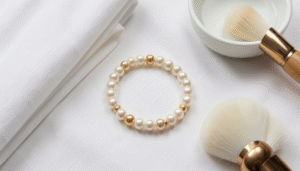
 Learning how to care for gold and pearl bracelets properly can keep your jewelry looking radiant for decades. Gold and pearl pieces are among the most treasured items in any jewelry collection, but they do require a little attention to stay at their best. Whether you own a delicate gold chain bracelet, a strand of freshwater pearls, or a combination of both, the right care routine makes all the difference.
At Sohan Jewellers, we see many customers who want to preserve the beauty of their favorite pieces. This guide covers everything you need to know about daily habits, cleaning methods, storage tips, and when to seek professional help.
Understanding Your Bracelet: Gold vs. Pearl
Before you can care for your bracelet correctly, it helps to understand what it is made of. Gold is a relatively stable metal, but it is softer than many people think. Pure gold (24 karat) is especially soft and can scratch easily. Most gold jewelry is made from 18-karat or 14-karat gold, which is gold mixed with other metals like copper or silver for added strength.
Pearls are very different. They are organic gems, which means they come from living creatures, specifically oysters and mollusks. Pearls are made of nacre (say it as NAY-ker), a substance secreted by the oyster layer by layer over time. This nacre gives pearls their unique luster (their soft, glowing shine), but it also makes them delicate. Pearls can lose their luster if exposed to harsh chemicals, acids, or rough handling.
A bracelet that combines gold and pearls needs care suited to both materials. You cannot use harsh cleaning solutions designed for gold on a piece that also has pearls, because the chemicals will damage the nacre. Always approach combination pieces with the gentler method in mind.
If you are unsure what karat your gold is or whether your pearls are genuine, a jeweler can test both quickly. At Sohan Jewellers, we are always happy to assist customers in identifying their pieces and giving personalized care advice.
Gold-plated bracelets need extra care because the gold layer is thin and can wear off with rough treatment or exposure to chemicals. If you own a gold-plated piece, treat it as though it is more fragile than solid gold. The tips in this guide apply to both solid gold and gold-plated items, but extra caution is needed for plated pieces.
Understanding your jewelry is the first step to protecting it. Once you know what you have, caring for it becomes straightforward and even enjoyable.
Daily Habits That Protect Your Bracelets
The way you wear your bracelet every day has a big impact on how long it lasts. Good habits cost nothing and protect your jewelry more than any cleaning product ever could.
The golden rule of jewelry care is: put it on last, take it off first. This means you should apply perfume, lotion, hairspray, and sunscreen before putting on your bracelet. These products contain chemicals and alcohols that dull gold and destroy the luster of pearls over time. Once these products have absorbed or dried on your skin, then you can put on your jewelry.
Remove your gold and pearl bracelets before washing hands, doing dishes, cleaning the house, or cooking. Household detergents, bleach, and cleaning sprays are very harmful to both gold and pearls. Even mild soap used repeatedly can leave a film on pearls that reduces their shine.
Take off your bracelet before exercising or playing sports. Sweat contains salt and acids that can corrode gold over time and damage pearl surfaces. Physical activity also increases the risk of the bracelet snagging or breaking.
Never wear pearl bracelets to swim. Chlorinated pool water is particularly damaging, stripping the nacre and dulling the surface permanently. Saltwater from the sea is also harmful. Gold holds up better in water, but repeated exposure is still not ideal, especially for gold-plated pieces or bracelets with glued settings.
If your bracelet has a clasp, take care when opening and closing it. Forcing a stiff clasp can weaken the mechanism or pull on the links. If a clasp becomes difficult to open, have it checked and repaired by a jeweler before it breaks completely.
How to Clean Gold Bracelets at Home
Gold bracelets benefit from gentle regular cleaning to remove the buildup of skin oils, lotion, and everyday dirt. This cleaning does not require expensive products and can be done in minutes at home.
Fill a small bowl with warm (not hot) water and add a few drops of mild dish soap. Place the gold bracelet in the bowl and let it soak for about ten minutes. Use a soft-bristled toothbrush (a baby toothbrush is ideal) to gently scrub around any gemstone settings and along the links of the chain.
Rinse the bracelet thoroughly under clean, lukewarm water. Make sure all the soap is removed, as soap residue can leave a film. Dry the bracelet completely with a soft, lint-free cloth. Do not use paper towels as they can scratch gold surfaces.
For solid gold bracelets with no pearls or delicate gemstones, you can also use a specialized gold cleaning solution available at jewelry stores. Always follow the product instructions carefully and rinse thoroughly.
Avoid using ultrasonic cleaners on bracelets that have stones glued into their settings, as the vibrations can loosen or crack them. Ultrasonic cleaning is generally safe for plain gold chains but should be done by a professional for complex pieces.
Clean your gold bracelets once or twice a month, or whenever they start to look dull. Regular light cleaning prevents heavy buildup that requires more intensive treatment later.
How to Clean Pearl Bracelets at Home
Pearls need a much gentler cleaning approach than gold. The most important rule is to never submerge pearls in water, especially if they are strung on thread. Water weakens the thread and can cause it to stretch or break. Water can also enter the drill holes in pearls and sit there, causing damage from the inside.
The safest way to clean pearl bracelets is to wipe them gently with a damp, soft cloth after each wear. This removes skin oils and any surface residue before they have a chance to build up. Use a cloth barely moistened with plain water, nothing else.
If your pearls need a deeper clean, mix one or two drops of very mild soap in a cup of water. Dampen a soft cloth in this mixture, wring it out well, and then gently wipe each pearl individually. Follow immediately with a clean, damp cloth to remove any soap, then lay the bracelet flat on a dry cloth to air dry completely before storing.
Never use commercial jewelry cleaners, bleach, ammonia, vinegar, or any acidic substance on pearls. These chemicals dissolve nacre and cannot be undone once the damage is done.
Check the string on pearl bracelets periodically. Over time, the thread stretches and becomes dirty. If you notice the thread looks gray or if you can see gaps between the pearls, it is time to have the bracelet re-strung. A jeweler can do this quickly and it will extend the life of your piece significantly.
Wear your pearl bracelet often. Pearls actually benefit from contact with the natural oils of your skin, which keeps them moisturized and enhances their luster. Pearls left sitting in storage for too long can dry out and lose their glow.
Storage Tips for Long-Lasting Beauty
How you store your bracelets is just as important as how you clean them. Poor storage is one of the most common causes of damaged and scratched jewelry.
Store each bracelet separately to prevent pieces from scratching each other. Gold is a relatively soft metal and scratches easily against other metals or hard gemstones. A small pouch, a zip-lock bag, or a compartment in a jewelry box works well for each individual piece.
For pearl bracelets, soft pouches are ideal. Pearls need to breathe slightly, so avoid keeping them sealed in airtight containers for long periods. At the same time, avoid storing pearls near air conditioning vents or in very dry environments, as extreme dryness can cause nacre to crack.
Keep jewelry away from direct sunlight and heat. Sunlight can fade the color of some pearls and heat can weaken metal clasps and settings over time. A cool, dry drawer or a jewelry box kept away from windows is the ideal storage spot.
Do not hang bracelets for storage. Hanging puts stress on clasps and can stretch or distort fine chains. Store bracelets flat or coiled loosely in a soft container.
When to Visit a Professional Jeweler
Even with perfect home care, your bracelets will benefit from a professional check-up once a year. A jeweler can spot issues you might miss, such as a weakening clasp, a loose stone setting, or a thinning section of chain. Catching these issues early prevents bigger, more expensive repairs later.
Professional jewelers also offer polishing services that restore gold to a mirror finish and can re-string pearl bracelets with fresh, strong thread. These services are usually affordable and make a noticeable difference in how your jewelry looks.
If your gold bracelet has developed deep scratches, a jeweler can often buff these out. If a pearl has been chipped or cracked, a jeweler may be able to re-set it or advise on replacement.
At Sohan Jewellers, our team is always ready to help with care advice and professional services. We want your treasured pieces to last a lifetime.
Caring for your gold and pearl bracelets is a simple routine that pays off beautifully over time. By developing good daily habits, cleaning your pieces gently, storing them with care, and visiting a professional jeweler periodically, your bracelets will retain their beauty for generations. At Sohan Jewellers, we are passionate about helping you love and protect your jewelry. Explore our collection of exquisite bracelets and let each piece tell your story for years to come.