
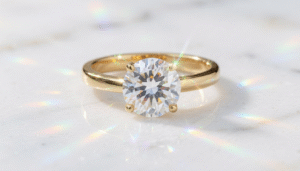
 Buying diamond rings in Bahrain is an exciting experience, whether you are shopping for an engagement ring, a wedding band, or a personal luxury purchase. Bahrain’s jewelry market is one of the most vibrant in the Gulf region, offering a remarkable selection of certified diamonds and expert craftsmanship at competitive prices. However, making the right purchase requires more than just choosing the most beautiful ring in the display case. Understanding how diamonds are graded, what influences their price, and how to compare quality across stones will help you buy with confidence and get the best value for your money.
This complete buying guide covers every major aspect of purchasing a diamond ring in Bahrain. From understanding the internationally recognized 4Cs of diamond grading to selecting the right metal and setting style, every section of this guide is designed to make your diamond ring purchase a success.
Understanding the 4Cs of Diamond Quality
The 4Cs is a system developed by the Gemological Institute of America (GIA) to standardize how diamonds are evaluated and described. The four factors are cut, color, clarity, and carat weight. Each of these factors affects the diamond’s beauty and price, and understanding how they interact will help you make smarter trade-offs when setting a budget.
Cut is the most important of the four Cs because it directly determines how much the diamond sparkles. A well-cut diamond reflects light efficiently from facet to facet, producing maximum brilliance and fire. Fire means the rainbow-colored flashes of light that a diamond produces when it moves. The GIA grades cut from Excellent to Poor. For the most brilliant result, always aim for an Excellent or Very Good cut grade. A diamond with lower color and clarity grades but an excellent cut will often look better to the naked eye than a higher-graded stone with a poor cut.
Color refers to how much yellow or brown tint is visible in a diamond. The GIA color scale runs from D (completely colorless) to Z (light yellow or brown). Diamonds graded D, E, and F are colorless and command the highest prices. Diamonds in the G to J range are nearly colorless and offer excellent value because the color is nearly impossible to detect with the naked eye, especially once the diamond is set in a ring. Unless you specifically want a truly colorless stone, a G or H graded diamond is often the best balance of quality and price.
Clarity measures the presence of inclusions (internal features) and blemishes (surface features) within the diamond. The GIA clarity scale ranges from Flawless (FL) to Included (I3). Most inclusions are microscopic and cannot be seen without magnification. A diamond graded VS1 or VS2 (very slightly included) is considered eye-clean, meaning you cannot see any inclusions without a loupe. These grades offer excellent value compared to FL or IF (internally flawless) grades, which are significantly more expensive but visually indistinguishable from lower clarity grades to the naked eye.
Carat weight is simply the measure of a diamond’s size, with one carat equaling 0.2 grams. Larger diamonds are rarer and significantly more expensive per carat than smaller ones. Keep in mind that carat weight describes weight, not physical dimensions. Two diamonds of the same carat weight can look different in size depending on how they are cut. A diamond with a shallow cut spreads wider and may look larger, while a deeply cut diamond of the same weight looks smaller from the top.
Choosing the Right Diamond Shape
The shape of a diamond refers to its overall outline when viewed from above, not its cut quality. Round brilliant diamonds are by far the most popular shape worldwide and in Bahrain, accounting for roughly 75% of all diamond jewelry sales. Their symmetrical shape maximizes light return and brilliance, and they have been refined over centuries to produce the most sparkle of any diamond shape.
Fancy shapes include a wide variety of non-round options. The princess cut is a square shape with pointed corners and exceptional sparkle, making it one of the most popular alternatives to the round brilliant. The cushion cut is a rounded square shape with large facets that produce a soft, romantic sparkle. The oval cut is an elongated shape that looks larger than a round diamond of the same carat weight, making it a smart choice for buyers who want maximum visual impact.
Emerald and asscher cuts have large, open table facets that produce a hall-of-mirrors effect rather than traditional sparkle. These shapes are best suited for higher clarity diamonds because inclusions are more visible in the open facets. They have a sophisticated, architectural elegance that appeals to women with classic, minimalist taste.
Marquise, pear, and heart shapes are more distinctive choices that make a strong personal statement. The marquise and pear shapes are elongated, which makes them look larger on the finger and can make shorter fingers look longer. The heart shape is a romantic choice for anniversary rings and symbolic gifts.
When choosing a diamond shape for a ring for women in Bahrain, consider the wearer’s lifestyle and personal style. Active women or those who use their hands heavily at work may prefer lower-profile settings with rounded shapes that are less likely to snag.
Diamond Ring Settings and Metal Choices
The setting is the metal framework that holds the diamond in place. Different settings affect the diamond’s appearance, security, and practicality for daily wear. Choosing the right setting is just as important as choosing the right stone.
The prong setting is the most classic and popular option. It uses small metal claws to grip the diamond’s girdle, holding it securely while allowing maximum light to enter from all sides. Standard prong settings use four or six prongs. Six-prong settings, often called Tiffany settings, offer extra security at the cost of slightly more metal coverage. Four-prong settings allow more of the diamond to be visible but may be more vulnerable to prong damage over time.
The bezel setting encircles the diamond with a continuous rim of metal. It offers the most protection for the diamond and creates a smooth, modern look that is ideal for active women. The metal rim prevents the diamond from chipping and eliminates the risk of a loose prong catching on clothing or scratching other surfaces. However, the bezel setting can make the diamond appear slightly smaller because it covers the outer edge of the stone.
Channel and pavé settings are popular for wedding bands and rings with multiple smaller diamonds. A channel setting has stones set flush within a metal channel, protecting the stones while creating a smooth, continuous line of sparkle. A pavé setting uses tiny metal beads to secure very small diamonds close together, creating a surface that glitters from every angle.
In terms of metal choice, platinum is the most prestigious option for diamond rings. It is naturally white, extremely durable, and hypoallergenic. It does not fade or tarnish over decades of wear, making it a truly lifelong choice. White gold offers a similar look at a lower price point but requires rhodium plating every few years to maintain its white color. Yellow gold and rose gold are warmer options that create a beautiful contrast with a white diamond and have a distinctly Bahraini aesthetic sensibility.
Diamond Certification: What to Look For
Every diamond ring purchase of significant value should come with a certificate from an internationally recognized gemological laboratory. The two most respected certificates in the world are from the Gemological Institute of America (GIA) and the American Gem Society (AGS). In Bahrain, DANAT also provides local certification for diamonds. A certificate from any of these institutions gives you an objective, third-party assessment of the diamond’s quality.
A proper diamond certificate will list the diamond’s shape, carat weight, color grade, clarity grade, and cut grade. It will also include measurements of the diamond’s dimensions and details about its proportions, symmetry, and polish. For round diamonds, the GIA also assigns an overall cut grade that takes all these factors into account. This overall cut grade is an extremely useful tool for quickly comparing diamonds.
Be cautious of certificates from less well-known laboratories. Some laboratories grade diamonds more generously than GIA or AGS, which means a diamond might receive a higher color or clarity grade than it would from a stricter lab. A GIA G color diamond is a genuine G, while the same stone might receive an F or even an E from a less stringent laboratory. This grading inflation allows sellers to charge higher prices for lower-quality stones.
Laser inscription is another authentication feature to look for. Many GIA-certified diamonds have their report number laser-inscribed on the diamond’s girdle, which is the thin outer rim. This inscription is only visible under 10x magnification and allows you to verify that the certificate matches the specific diamond you are buying. Always ask to see the laser inscription and verify it against the certificate number before completing a purchase.
Setting a Budget and Getting the Best Value
Diamond rings in Bahrain are available at a wide range of price points, from affordable fashion pieces set with small accent diamonds to investment-grade solitaires worth tens of thousands of Bahraini dinars. Setting a realistic budget before you start shopping will help you focus on options within your range and make more decisive comparisons.
The most common piece of advice for getting good diamond value is to prioritize cut quality above all other factors. A brilliantly cut diamond of slightly lower color or clarity will look more stunning than a high-color, high-clarity diamond with an average cut. Most people cannot detect minor differences in color or clarity with the naked eye, but the sparkle difference between an excellent cut and a good cut is immediately visible.
Consider going slightly below popular carat weight thresholds to save significantly on price. A 0.90-carat diamond, for example, is very close in size to a 1.00-carat diamond but is priced meaningfully lower because whole-number carat weights command a premium. Similarly, a 1.45-carat diamond looks virtually identical to a 1.50-carat diamond but costs considerably less.
Shopping during promotional periods at reputable stores can also yield good value. Many established jewelers in Bahrain, including Sohan Jewellers, offer special pricing on selected rings for women during festive occasions and seasonal sales. However, always verify the diamond’s quality and certification before being swayed by a promotional price.
Diamond Ring Trends in Bahrain for 2026
The diamond ring market in Bahrain reflects both global jewelry trends and local preferences. In 2026, several styles are particularly popular and represent the best intersection of trend and lasting value.
Lab-grown diamonds have become a significant part of the market. These diamonds are chemically, physically, and optically identical to mined diamonds but are grown in controlled laboratory environments. They typically cost 40 to 60 percent less than mined diamonds of comparable quality, making them an attractive option for buyers who want a larger or higher-quality stone within a fixed budget. Lab-grown diamonds are graded by the same laboratories and to the same standards as mined diamonds.
Three-stone diamond rings are a beloved trend for engagement and anniversary purchases. The three stones traditionally represent the past, present, and future of a relationship. A classic three-stone ring features a larger center diamond flanked by two smaller stones of matching shape and quality. Modern versions play with shape combinations, pairing a round center stone with two pear-shaped or baguette side stones for a more fashion-forward look.
Yellow gold settings for diamond rings are making a strong comeback after years of white gold and platinum dominance. The contrast between a warm yellow gold band and a sparkling white diamond creates a vintage-inspired aesthetic that is both fashionable and timelessly elegant. Many Bahraini women appreciate this look because it echoes the traditional preference for yellow gold in Gulf jewelry culture.
Buying diamond rings in Bahrain in 2026 is a rewarding experience when you are equipped with the right knowledge. Understanding the 4Cs, choosing the right shape and setting, insisting on proper certification, and prioritizing cut quality will help you find a diamond ring that is genuinely beautiful and a sound investment. Whether you are celebrating an engagement, an anniversary, or simply treating yourself to something extraordinary, Sohan Jewellers offers a curated range of diamond rings with verified quality and expert guidance. Take your time, ask questions, and choose a ring that you will treasure for a lifetime.