
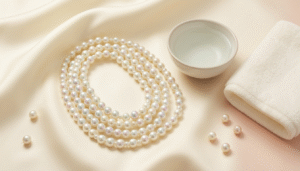
 Caring for your Bahraini pearl jewelry properly is the single most important thing you can do to preserve their luster, beauty, and cultural significance for years to come. Bahrain has been celebrated for centuries as one of the world’s finest sources of natural pearls, and owning a piece of Bahraini pearl jewelry connects you to one of the most storied traditions in the Gulf region. Whether you have inherited a pearl necklace, received a pearl set as a gift, or invested in a modern pearl piece from Sohan Jewellers, knowing how to care for it ensures it remains as luminous and precious as the day you first wore it.
Pearls are organic gems, which means they are created by living creatures and are naturally more sensitive than hard stones like diamonds or sapphires. Understanding their unique needs allows you to wear them with confidence while keeping them in perfect condition.
Understanding Why Bahraini Pearls Are So Special
Bahraini pearls have been treasured since antiquity. The warm, shallow waters of the Arabian Gulf created ideal conditions for the pearl oysters that produced these gems, and for centuries, Bahrain’s pearl diving industry was one of the most important in the world. Natural Bahraini pearls are known for their exceptional lustre, their warm rosy overtones, and their perfectly round shape.
Unlike cultured pearls, which are created by inserting a nucleus into an oyster to stimulate pearl production, natural Bahraini pearls form entirely without human intervention. This makes them significantly rarer and more valuable. The rich cultural heritage of Bahraini pearling is recognised internationally, and Bahrain’s pearling trail is listed as a UNESCO World Heritage Site, reflecting the enduring significance of pearls in Bahraini history and identity.
Modern pearl jewelry from Sohan Jewellers combines the legacy of Bahraini pearling tradition with contemporary design, creating pieces that are both culturally meaningful and fashionably wearable. Understanding the origins and significance of your pearl jewelry deepens your appreciation for it and motivates you to care for it with the attention it deserves.
Pearls are composed of nacre (pronounced NAY-ker), a substance secreted by oysters in thin layers over time. Nacre is what gives pearls their distinctive iridescent glow. The more layers of nacre, the deeper and more brilliant the luster of the pearl. Natural Bahraini pearls often have exceptionally thick nacre layers, which is why their glow is so rich and long-lasting when properly cared for.
The Golden Rule: Pearls Go On Last, Come Off First
The single most important care habit you can adopt for your pearl jewelry is to always put your pearls on last when dressing and take them off first when undressing. This rule protects your pearls from the most common sources of damage: cosmetics, perfume, hairspray, and skincare products.
Many beauty products contain chemicals and acids that can dissolve the nacre on the surface of a pearl over time. Even products marketed as natural or gentle can be harmful to pearls. Perfume, in particular, is one of the biggest threats to pearl luster. The alcohol in most perfumes strips the nacre and dulls the pearl’s glow with repeated exposure.
Hairspray is another common culprit. The propellant and lacquer in hairsprays coat the surface of pearls with a film that traps dirt and accelerates tarnishing. Always finish your hair and makeup routine completely before putting on your pearl jewelry.
Skincare products such as moisturisers, serums, and oils can also cause damage, particularly if they contain retinol, alpha hydroxy acids (AHAs), or other active ingredients. Apply all skincare products and allow them to absorb fully into the skin before wearing your pearls.
Cleaning Your Bahraini Pearl Jewelry the Right Way
Cleaning pearls requires a gentle touch and the right materials. Harsh chemicals, ultrasonic cleaners, and steam cleaning machines are all dangerous to pearls and must be avoided entirely. These methods strip nacre, crack the pearl surface, and destroy the string in pearl necklaces.
The correct way to clean pearl jewelry is with a soft, damp cloth. After each wear, gently wipe your pearls with a clean, lint-free cloth slightly dampened with water. This removes any oils, sweat, or residue from the skin that may have transferred to the pearl surface during wear.
For a more thorough clean, use a solution of mild, natural soap diluted in warm water. Dip a soft cloth into the soapy water and gently wipe the pearls one by one. Never submerge a pearl necklace in water, as prolonged water exposure can weaken the silk thread used to string the pearls and cause the strand to stretch or break.
After cleaning, lay your pearl necklace flat on a soft cloth and allow it to air dry completely before storing it. Storing a damp pearl necklace can cause the silk thread to rot over time, leading to a weakened strand that is at risk of breaking. Patience in the drying process pays off in the longevity of your jewelry.
Never use toothbrushes, abrasive cloths, or any scrubbing tool on pearls. The nacre surface is soft and scratches easily. Even a tool that seems gentle can cause microscopic damage that dulls the luster of your pearl over time.
Storing Pearls to Keep Them Beautiful
How you store your pearl jewelry is just as important as how you clean it. Proper storage prevents scratches, maintains humidity levels, and protects the silk thread in stranded pieces.
Store pearl jewelry separately from other pieces. Diamonds, gold, and other gemstones can scratch the nacre surface of pearls if stored together in the same compartment. Use a soft pouch, a velvet-lined jewelry box, or a dedicated slot in a jewelry organiser to keep your pearls away from harder pieces.
Pearls need a small amount of moisture to stay lustrous. Storing them in an airtight container for long periods can cause the nacre to dry out and crack, leading to a dull, brittle surface. A cloth pouch or a slightly ventilated box allows the pearls to breathe and maintain their natural moisture level.
If you live in a very dry climate or keep your home heavily air-conditioned, consider storing a small, damp cloth near your pearl storage area to maintain some ambient humidity. This simple step can significantly extend the life and beauty of your pearls.
For pearl necklaces and bracelets strung on silk, store them flat rather than hanging. Hanging a stranded pearl necklace for long periods stretches the silk thread and can cause the knots between each pearl to loosen. Laying the strand flat distributes the weight evenly and keeps the stringing intact.
Restringing and Professional Maintenance
Pearl necklaces and bracelets are traditionally strung on silk thread with a small knot between each pearl. These knots serve two purposes: they keep the pearls evenly spaced and they prevent all the pearls from scattering if the strand breaks. Over time, the silk thread can stretch, fray, or weaken, and restringing becomes necessary.
As a general guideline, pearl necklaces that are worn regularly should be restrung once a year. Necklaces worn occasionally may only need restringing every two to three years. If you notice any discolouration in the thread between the pearls, or if the strand feels loose or stretchy, take it to a professional jeweller for restringing as soon as possible.
Sohan Jewellers offers professional jewelry maintenance services including pearl restringing. Bringing your pearl pieces to our store for an annual check allows our team to assess the condition of the string, inspect the clasp, and clean the pearls professionally. This routine maintenance ensures your pearl jewelry remains safe to wear and beautiful to look at.
The clasp on a pearl necklace or bracelet also needs periodic attention. Check the clasp regularly to ensure it closes securely. A worn or loose clasp is a risk for losing your jewelry, and replacing it is a simple fix that can prevent a heartbreaking loss.
When and How to Wear Your Pearl Jewelry Safely
Knowing when to wear your pearl jewelry, and when to leave it at home, is an important part of pearl care. Pearls are elegant and special, and wearing them in the right contexts protects them from avoidable damage.
Avoid wearing pearl jewelry during physical activities such as exercise, sports, or heavy housework. Sweat is acidic and can damage the nacre surface over repeated exposures. Physical activity also increases the risk of the jewelry being knocked, dropped, or caught on something, which can break the strand or scratch the pearls.
Avoid wearing pearl jewelry in the sea or swimming pool. Saltwater, chlorine, and other chemicals in the water are all harmful to nacre and can also weaken the silk thread in stranded pieces. Remove your pearl jewelry before any water-based activity.
Wear your pearls as often as possible in the right contexts. Contrary to what some people believe, pearls benefit from being worn. The natural oils in skin actually help keep the nacre moist and lustrous. A pearl necklace worn regularly tends to maintain a richer glow than one kept locked away in a box for years. So wear your Bahraini pearl jewelry with pride at family gatherings, celebrations, and formal occasions.
Caring for your Bahraini pearl jewelry is a commitment that pays dividends in beauty, longevity, and cultural pride. By putting your pearls on last, cleaning them gently after each wear, storing them properly, and having them professionally checked at Sohan Jewellers, you ensure that these precious gems remain as luminous and meaningful as the tradition they represent.
Sohan Jewellers is proud to carry a curated selection of pearl jewelry that honours Bahrain’s pearl heritage. Whether you are looking for a classic pearl strand, a modern pearl pendant, or a complete pearl set, our collection celebrates the timeless beauty of the Gulf’s most precious gem.