
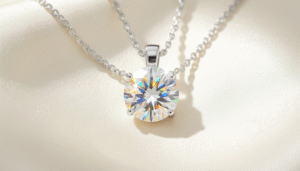
 Diamond pendant necklaces represent the pinnacle of fine jewelry craftsmanship, and in Bahrain, they have become one of the most coveted luxury gifts a woman can receive or give herself. A diamond pendant sits at the center of the neckline, drawing the eye to one brilliant focal point. Whether you choose a single solitaire diamond on a delicate gold chain or an elaborate pendant featuring a cluster of diamonds surrounding a colored stone, the result is always the same: pure elegance.
At Sohan Jewellers, diamond pendant necklaces are among our most requested pieces. Women choose them for birthdays, anniversaries, wedding gifts, and personal milestones. This guide will take you through everything you need to know, from diamond quality basics to the styles that are most popular in Bahrain right now.
Why Diamond Pendants Are the Ultimate Necklace Choice
A diamond pendant necklace does what very few accessories can: it elevates every outfit instantly and draws attention with minimal effort. Unlike statement earrings that can compete with your face, or a bold bracelet that requires its own space, a pendant necklace frames the face and the neckline in one graceful gesture.
Diamonds, more than any other gemstone, capture and reflect light. A well-cut diamond breaks white light into a rainbow spectrum through a process called dispersion, and returns it to the eye as brilliant flashes of color called fire. This optical magic is visible across a room and under any lighting condition, from candlelight to bright sunlight.
In Bahrain, diamond jewelry carries social significance. Gifting a diamond pendant necklace communicates love, appreciation, and lasting commitment. It is a gift that says “you are worth something permanent.” For anniversaries, milestone birthdays, and new beginnings, nothing communicates this message more eloquently.
Diamonds also retain their value better than most other gemstones. A high-quality diamond purchased today will still be valuable decades from now. This combination of beauty and financial resilience makes diamond jewelry both an emotional and a practical investment.
The versatility of a diamond pendant is also remarkable. A delicate solitaire pendant works with a formal black abaya, a business suit, a casual dress, and a wedding gown. Very few jewelry pieces achieve this range. A diamond pendant truly goes everywhere.
Understanding the 4 Cs: How Diamonds Are Graded
Before buying a diamond pendant necklace, you need to understand how diamonds are evaluated. The industry uses a system called the 4 Cs, which stands for Cut, Color, Clarity, and Carat weight. These four factors together determine a diamond’s quality and price.
Cut is the most important C. It refers not to the shape of the diamond but to how precisely the facets (the flat surfaces that make up the diamond’s exterior) have been angled and polished. A well-cut diamond reflects maximum light. An ideal or excellent cut grade is the highest achievable. A poor cut makes even a large diamond look dull.
Color is graded on a scale from D (completely colorless) to Z (noticeable yellow or brown tint). The less color a diamond has, the rarer and more valuable it is. For white gold and platinum settings, colorless or near-colorless diamonds (D through G) are recommended because the cool metal enhances the diamond’s colorlessness. For yellow gold settings, diamonds in the G through J range look just as colorless because the warm metal masks any faint yellow.
Clarity refers to the presence of internal features called inclusions (tiny crystals, clouds, or fractures inside the stone) and external features called blemishes. The GIA (Gemological Institute of America), the world’s most respected gemological organization, grades clarity from Flawless (no inclusions visible under 10x magnification) down to Included (inclusions visible to the naked eye). For necklace pendants, an SI1 or SI2 clarity grade often provides excellent value because minor inclusions are invisible without magnification.
Carat refers to the weight of a diamond, not its size. One carat equals 0.2 grams. Larger diamonds are rarer, so the price per carat increases dramatically at certain thresholds (0.50ct, 1.0ct, 1.5ct, 2.0ct). A 0.90ct diamond often looks almost identical to a 1.0ct diamond but costs significantly less.
Popular Diamond Pendant Styles in Bahrain
The solitaire diamond pendant is timeless perfection. A single round brilliant diamond, usually between 0.25ct and 1.0ct, set in a simple four-prong or bezel setting on a fine gold chain. This style never looks dated, works for every occasion, and is the top-selling diamond pendant style worldwide.
The halo pendant surrounds a center diamond with a ring of smaller diamonds called a halo. The halo makes the center stone appear larger than it is and adds significant sparkle. This style is popular in Bahrain for birthday gifts and anniversary presents, where the giver wants maximum visual impact.
Three-stone pendants feature a center diamond flanked by two smaller diamonds, representing the past, present, and future of a relationship. This symbolic design is popular for anniversary and Valentine’s Day gifts.
Heart-shaped diamond pendants are consistently popular for romantic gifting occasions in Bahrain. A heart-shaped diamond requires precise cutting to achieve a balanced, symmetrical shape, so buying from a reputable jeweler with certified stones is especially important.
Diamond pendant necklaces featuring Arabic calligraphy motifs set with pavé diamonds (tiny diamonds set close together like a pavement) are a uniquely regional style popular in Bahrain. These pendants carry spiritual or personal meaning while showcasing the finest diamond craftsmanship.
Choosing the Right Chain for Your Diamond Pendant
The chain is not just a carrier for the pendant. It is a design element that affects the overall look. The three most common chain styles for diamond pendants are the box chain, the cable chain, and the Venezia chain. Each has a distinct look and thickness.
A delicate chain (0.5mm to 1mm) creates a floating effect where the pendant appears to sit directly on the skin. This minimalist look is very fashionable right now and suits small solitaire pendants. A medium chain (1mm to 1.5mm) provides better visibility and works with most pendant sizes. A thicker chain (1.5mm and above) makes a statement of its own and suits larger, more elaborate pendants.
Chain length is equally important. A 40cm to 45cm chain sits at the collarbone and is the most universally flattering length. A 50cm chain sits just below the collarbone and suits pendants you want to feature prominently. A 55cm to 60cm chain creates a long, bohemian look and works well under open necklines.
For Bahraini women who wear an abaya regularly, a longer chain brings the pendant into view when the abaya is open at the neckline. A 50cm to 55cm chain is often recommended for this reason. Sohan Jewellers carries diamond pendant necklaces for women in multiple chain lengths to accommodate every preference.
Gold vs Platinum Settings for Diamond Pendants
Choosing the metal for your diamond pendant setting is as important as choosing the diamond. The most common options in Bahrain are 18K yellow gold, 18K white gold, and platinum.
18K yellow gold settings give a diamond pendant a warm, classic look that aligns with traditional Gulf jewelry preferences. The gold color contrasts beautifully with a diamond’s colorless sparkle. Yellow gold settings can also conceal any faint yellow tint in diamonds graded G through J, making them an economical choice for lower color grades.
18K white gold settings, usually coated with rhodium for extra brightness, give the pendant a modern, sleek appearance. White settings make colorless diamonds (D through F) appear even more brilliant and icy. White gold is currently the most popular choice for engagement and anniversary diamond jewelry among Bahraini women under 35.
Platinum is the most prestigious and durable metal choice. It is naturally white, hypoallergenic, and denser than gold, meaning a platinum setting holds diamonds more securely and lasts longer. Platinum costs more than gold but provides a lifetime of security for your diamonds. For high-value diamond pendants with significant stone weight, platinum is the professional recommendation.
Caring for Your Diamond Pendant Necklace
Diamond pendant necklaces need regular care to maintain their brilliance. Diamonds attract grease and oils from skin and cosmetics, which dulls their sparkle over time. Clean your pendant every two to four weeks by soaking it in warm water with a drop of mild dish soap for 20 minutes, then gently brushing the diamond with a soft toothbrush. Rinse thoroughly and pat dry with a lint-free cloth.
Store your pendant separately from other jewelry in a soft pouch or a fabric-lined jewelry box compartment. Diamonds are the hardest natural substance on earth (rated 10 on the Mohs scale) and can scratch other metals and gemstones. Storing pendants together can also cause the chains to tangle.
Have your pendant professionally checked and cleaned at least once a year. A jeweler will examine the prongs to ensure the diamond is held securely, retighten any loose settings, and re-plate white gold with rhodium if the plating has worn thin. This annual check prevents the heartbreak of losing a diamond because a worn prong finally let go.
Remove your diamond pendant before swimming, exercising, applying cosmetics, or cleaning the house. Chlorine weakens gold alloys over time, and physical activities can bend or break delicate pendants. Your pendant is made to be worn and admired, not to survive rough conditions.
A diamond pendant necklace is one of the most meaningful and lasting jewelry investments a woman can make. It captures light in a way that no other accessory does, and it tells the world that beauty, precision, and craftsmanship matter to you. At Sohan Jewellers, each diamond pendant is selected with care so that the piece you take home is worthy of every special moment you will wear it for. Explore our collection and let the brilliance of a diamond pendant become part of your story.